
What is a whale fall?
The largest animal to ever exist is still alive today. The Blue Whale. But what happens to their bodies when
these massive creatures, and other huge species of whale, die? With Blue Whales able to reach lengths of
over 100 feet and the largest among them weighing 200 tons, they don't just evaporate overnight. After their
bodies fill with gas and float to the ocean surface to be picked off by birds they either wash up on the
beach or release enough gas to sink to the bottom of the ocean and trigger massive ecological events for the
creatures of the deep. The event of their gigantic carcasses reaching the deep cause ecological succession,
changes in the environment, to these deep sea ecosystems and become the home to a diverse array of unique
organisms, some only known to be found in whale falls.
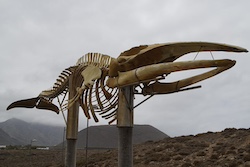
There are 4 stages to whale decomposition. With the first whale fall ecosystem having not been discovered
until the 1980s, there is still a lot we don't know. Pair that with the decades it takes for a whale to
decompose, the 4th stage is largely hypothesized. It's estimated there are 690,000 active whale falls at a
time yet whale falls are somewhat rare to come across for researchers in the landscape of the deep sea. The
video below is a clip of scientists working with Nautilus Live to explore the deep sea and just listen to
their excitement coming across a whale fall! This marine event
Explore this website to learn about each of the stages and meet some of the creatures that make whale
carcasses their home. One creature's death can go on to support trillions of lives below, when a whale falls
the deep sea rises.
Version 1.00.00