 The Evolution of Music Technology
Analog Era — Vinyl & Tapes
Vinyl records were more than just a medium; they defined how music was consumed and experienced for decades. Introduced widely in the 1940s and ’50s, vinyl replaced brittle shellac discs and allowed for longer playtimes, enabling the rise of the album as an art form. Artists could now craft a series of songs meant to be heard in sequence, and listeners engaged with music in a focused, almost ritualistic way: selecting a record, placing it on the turntable, lowering the needle, and listening through a full side before flipping it. Vinyl’s analog nature produced a warm, full-bodied sound with subtle harmonic nuances that many audiophiles still cherish. Beyond sound, the format’s large album covers offered a canvas for artwork, liner notes, and photography, making the record both a musical and visual experience.
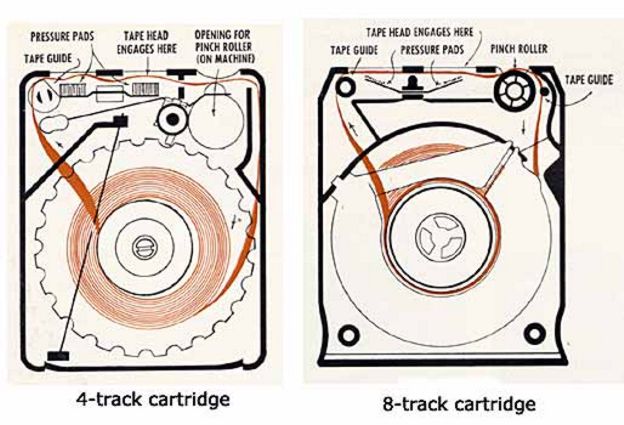
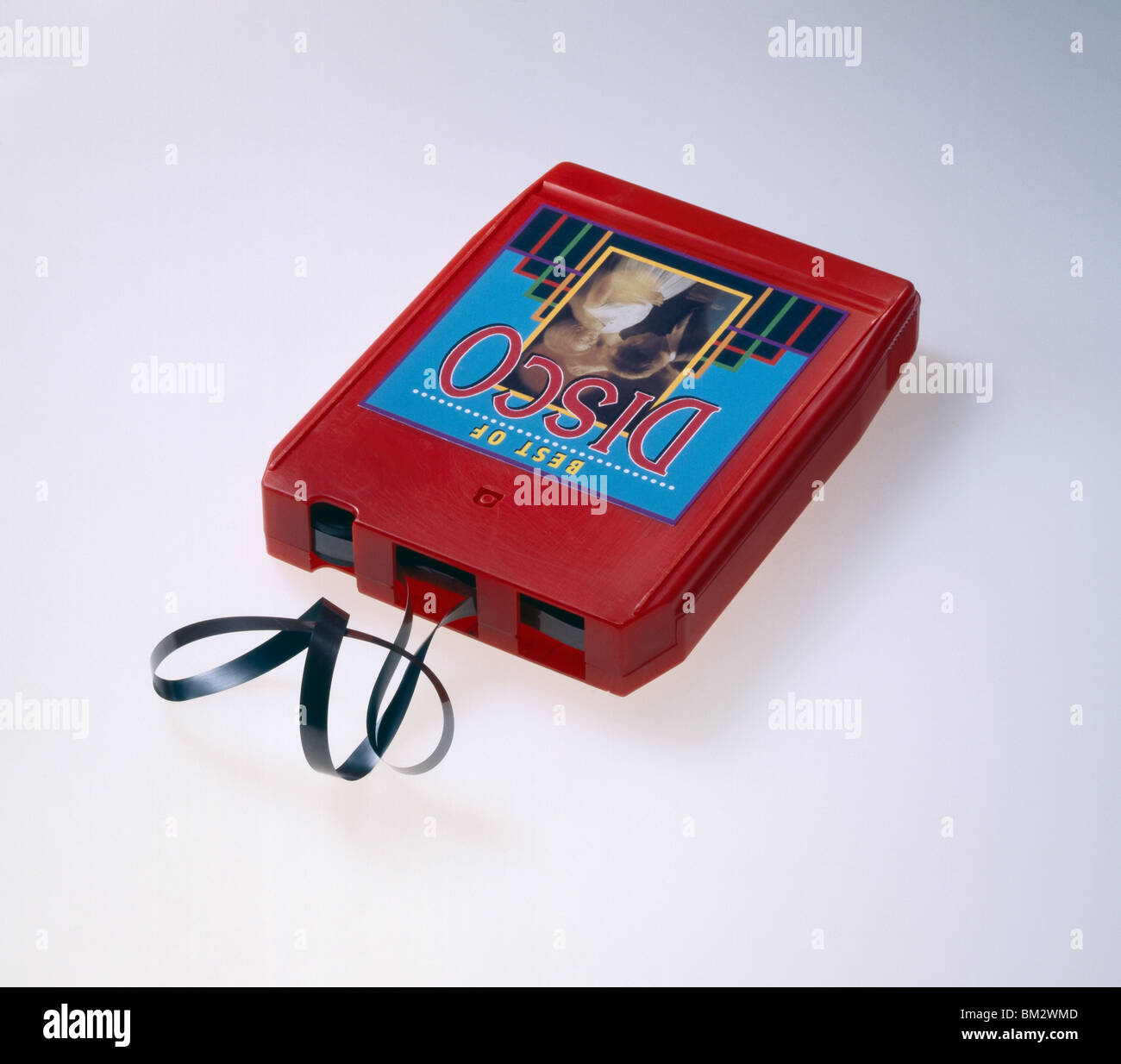
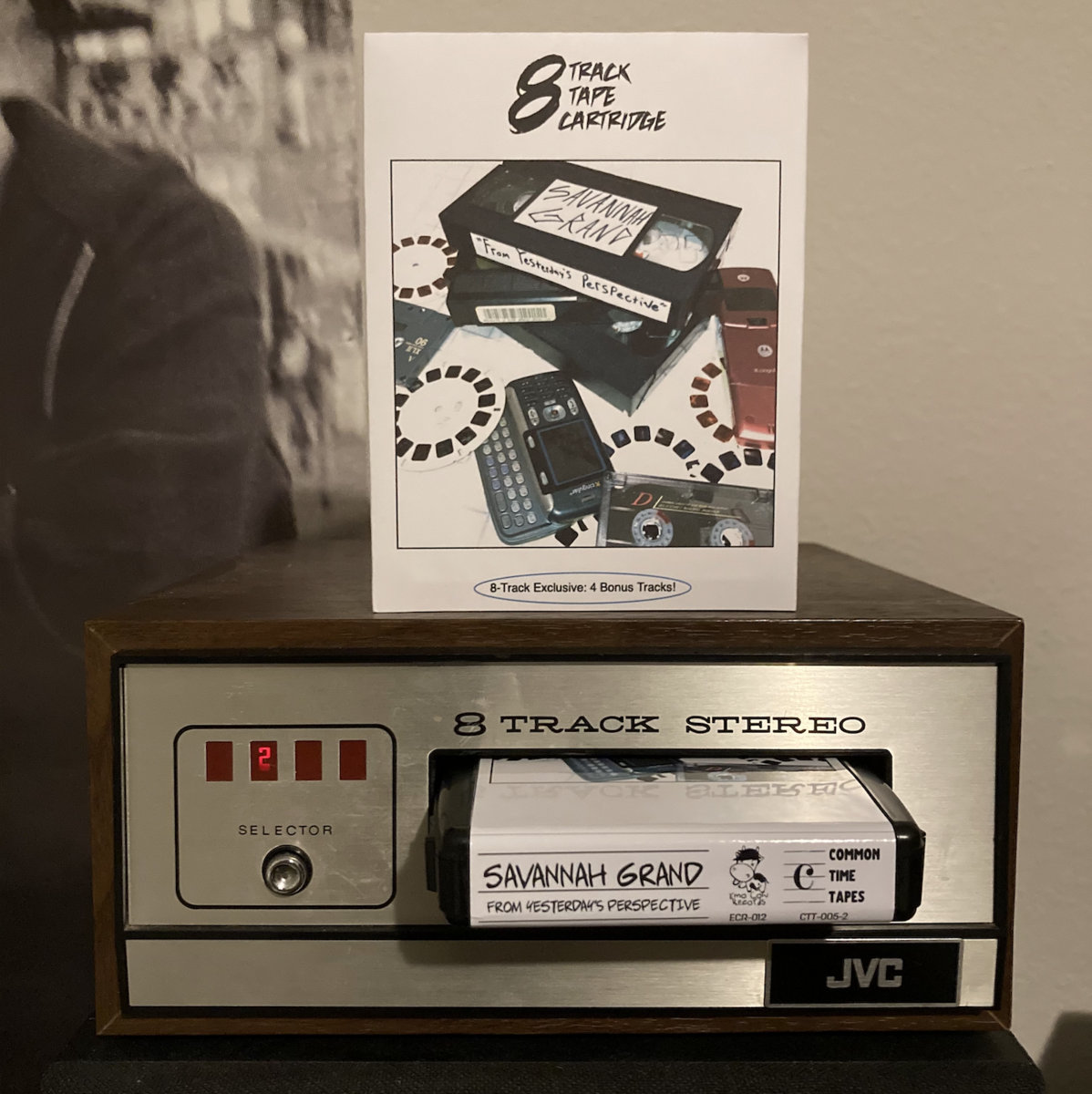
The 8-track cartridge emerged in the 1960s as a response to the growing desire for portable music. Designed primarily for use in car stereos, the 8-track enclosed magnetic tape in a continuous loop inside a plastic cartridge, allowing for uninterrupted playback. While innovative for its portability, the format was mechanically complex and prone to tape jams or misalignment. The division of music into fixed “programs” often split albums awkwardly, limiting the listener’s control. Nevertheless, the 8-track became a cultural symbol of the era, especially in the U.S., representing freedom and mobility—suddenly, music could travel with people, from road trips to outdoor gatherings, changing the context in which music was experienced.
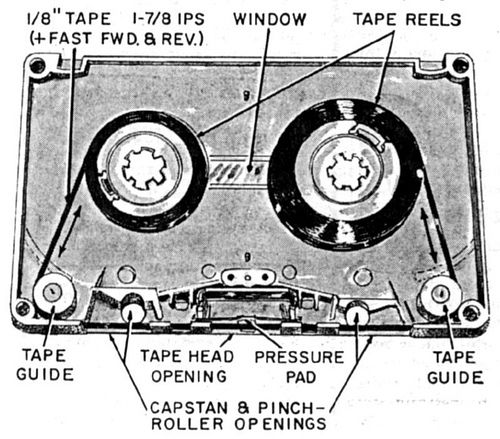
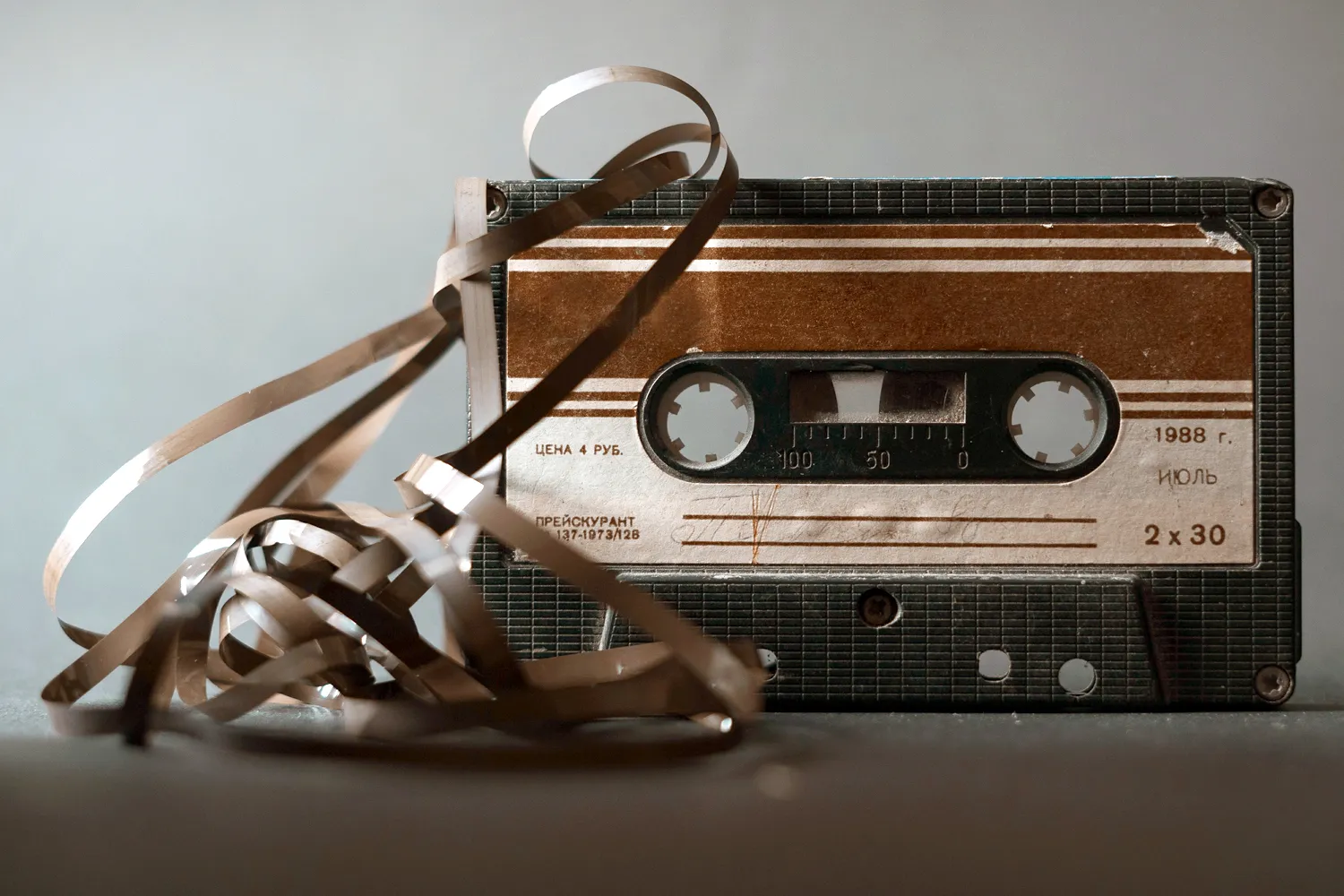
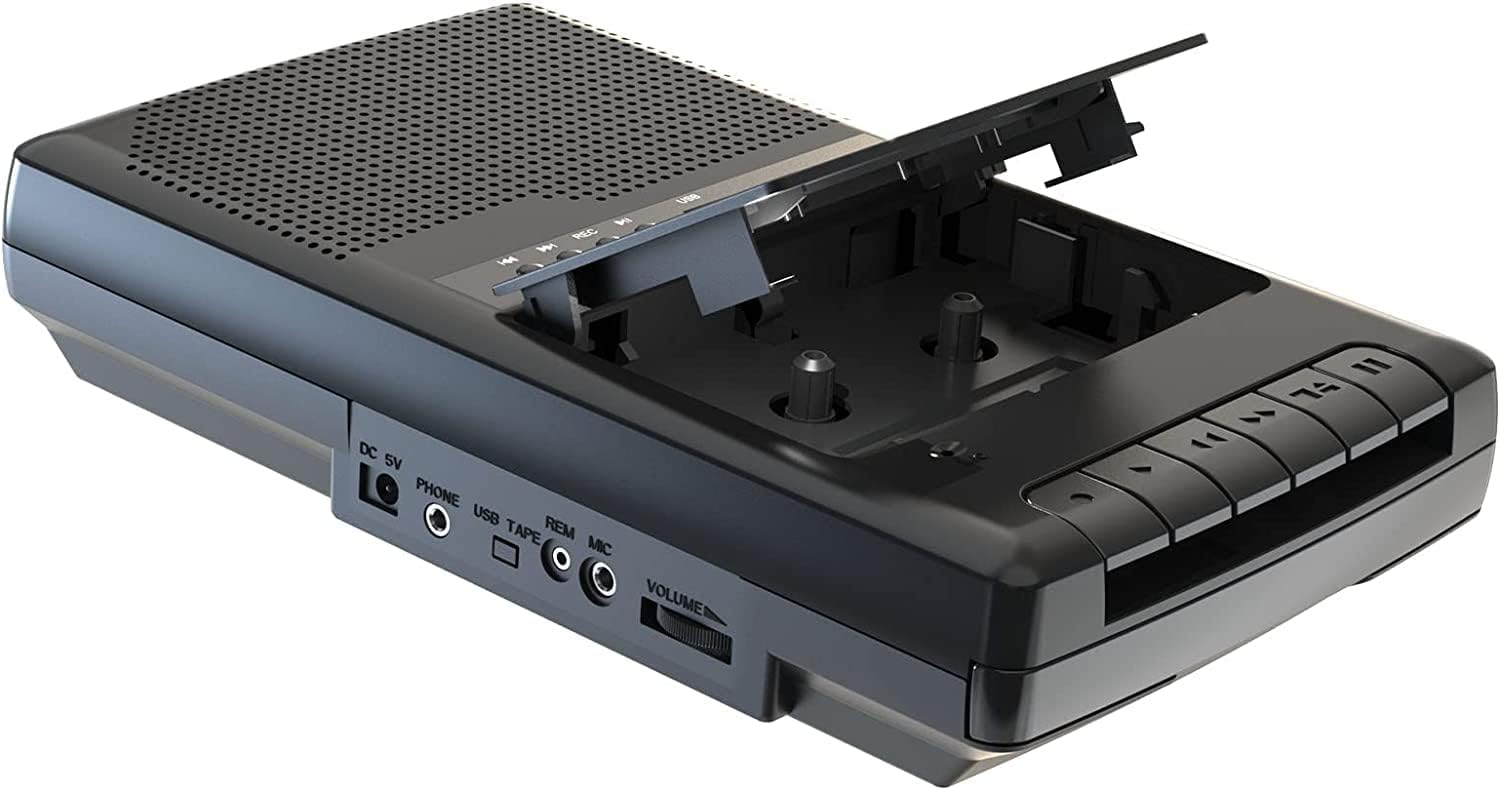
Cassette tapes, introduced in the late 1960s, improved on many of the limitations of 8-tracks while keeping portability central. Compact and recordable, cassettes allowed listeners to create mixtapes, duplicate albums, and share music in a personal, hands-on way. Unlike 8-tracks, cassettes offered precise control: songs could be skipped, paused, or repeated with ease. Their affordability and convenience helped spread music to broader audiences and made listening more individualistic. Cassette tapes also played a key role in DIY music culture; independent artists could distribute recordings without a record label, and fans could exchange tapes, fostering grassroots communities long before digital sharing existed. Though they never matched vinyl’s sonic fidelity, their accessibility and flexibility made them a defining medium of the 1970s and 1980s.
Together, vinyl, 8-track, and cassette tapes illustrate how music formats shaped both listening habits and culture. Vinyl encouraged deliberate, immersive experiences; 8-tracks prioritized portability and novelty; and cassettes balanced convenience, creativity, and accessibility. Each format left its mark on production, distribution, and the social life of music—laying the groundwork for later digital formats, from CDs to MP3s and ultimately streaming platforms, where portability, accessibility, and personalization remain central.