 The Evolution of Music Technology
Digital Revolution — CD's & iPods
As the cassette reached the height of its popularity, the music industry continued searching for a format that could offer higher fidelity, greater durability, and an improved user experience. That search culminated in the introduction of the Compact Disc (CD) in the early 1980s, a collaboration between Sony and Philips that marked a turning point in audio technology. Unlike vinyl or magnetic tape, CDs stored sound digitally, encoding audio as a sequence of microscopic pits read by a laser. This innovation eliminated the physical contact between needle or tape head and the medium, which had long been a source of wear and distortion. As a result, CDs produced clean, clear playback without crackle, hiss, or gradual degradation. The promise of “perfect sound forever,” while overly optimistic, resonated with consumers who were ready for a format that combined convenience with high-quality audio.
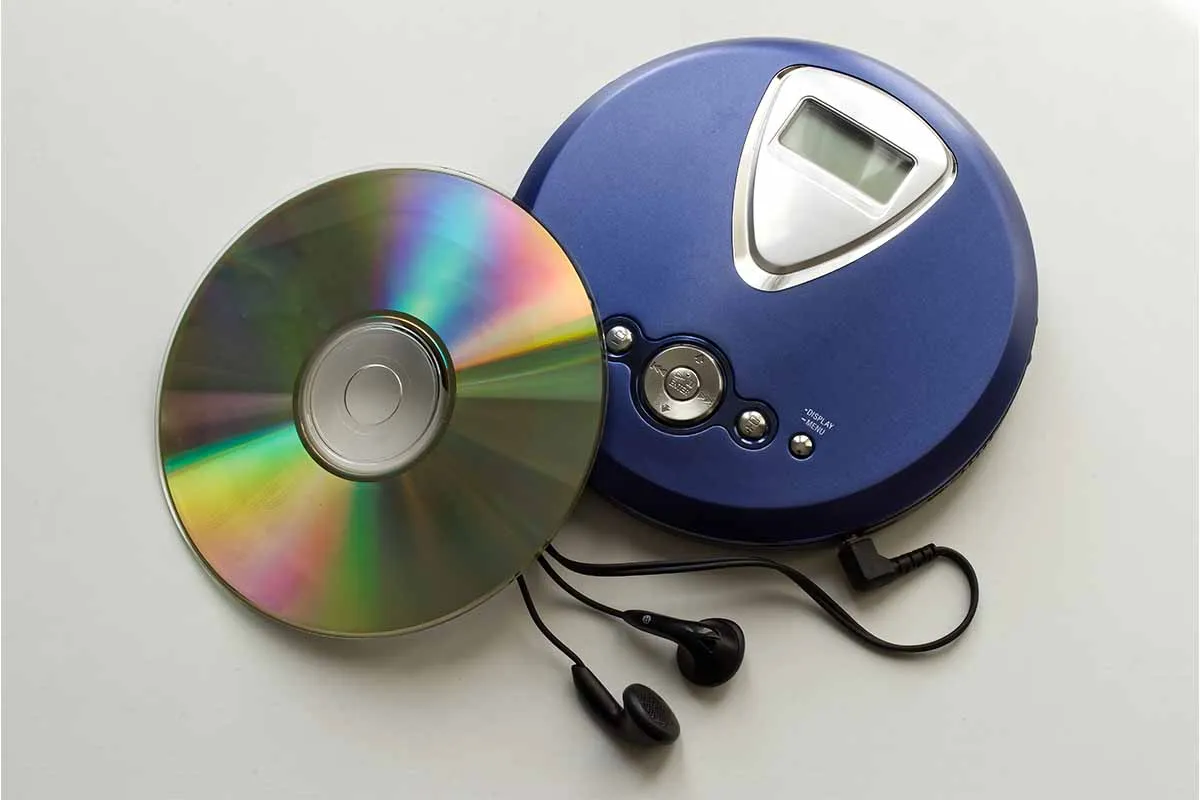
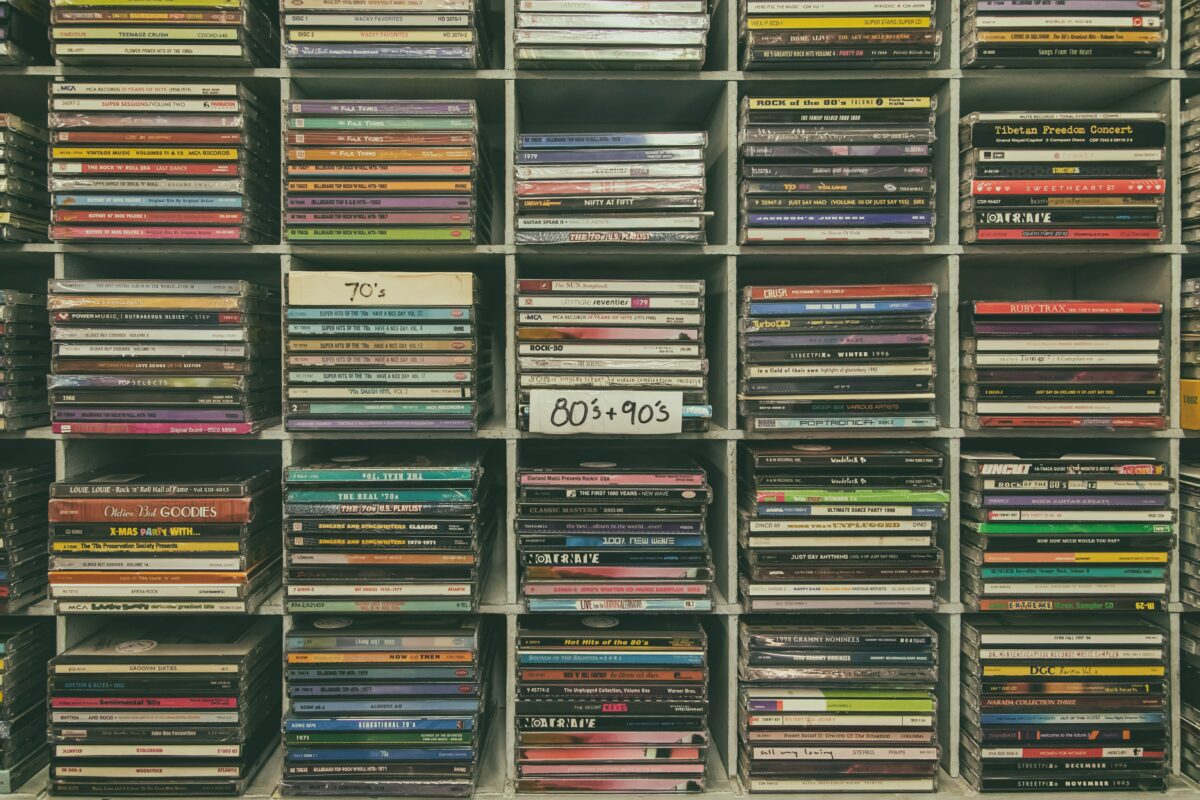
Throughout the late 1980s and into the 1990s, the CD quickly eclipsed both vinyl and cassette tapes as the dominant format for commercial music. Its portability, durability, and sleek design appealed to a new generation of listeners, and record companies embraced it enthusiastically because it could be produced cheaply yet sold at a premium. Albums released on CD often included bonus tracks, extended liner notes, and enhanced content that wasn’t available on earlier formats. The ability to skip instantly between tracks changed the way people interacted with music, encouraging a more selective, track-based listening experience rather than the linear, side-by-side approach of tapes and records. CD players became household staples, appearing not only in home stereo systems but later in portable devices and car audio units, reinforcing the CD’s position as the universal format of the decade.
By the mid-1990s, another shift began to unfold, driven not by record labels but by the rise of personal computers. As CD-ROM drives became standard in home computers, listeners discovered they could do more than simply play their discs—they could extract the digital audio and store it as files. Early formats like WAV offered high fidelity but consumed enormous amounts of storage, which was limited at the time. The breakthrough came with the development of the MP3, a compression format that dramatically reduced file size while maintaining sound quality good enough for everyday listening. MP3s were small enough to store hundreds of songs on a hard drive and quick enough to share over the internet, a capability that fundamentally altered the relationship between listeners and their music libraries.
Around this time, the rise of early internet culture accelerated these changes. File-sharing services, online forums, and emerging peer-to-peer networks made it possible for people to exchange music across vast distances almost instantly. While this new form of distribution raised major legal and ethical questions, it also demonstrated the immense demand for flexible, digital access to music. Playlists—something nearly impossible to do seamlessly with physical media—became a defining way people organized their listening. Users crafted custom mixes for studying, exercising, or relaxing, shaping the beginnings of the personalized listening culture that would dominate the decades to come.
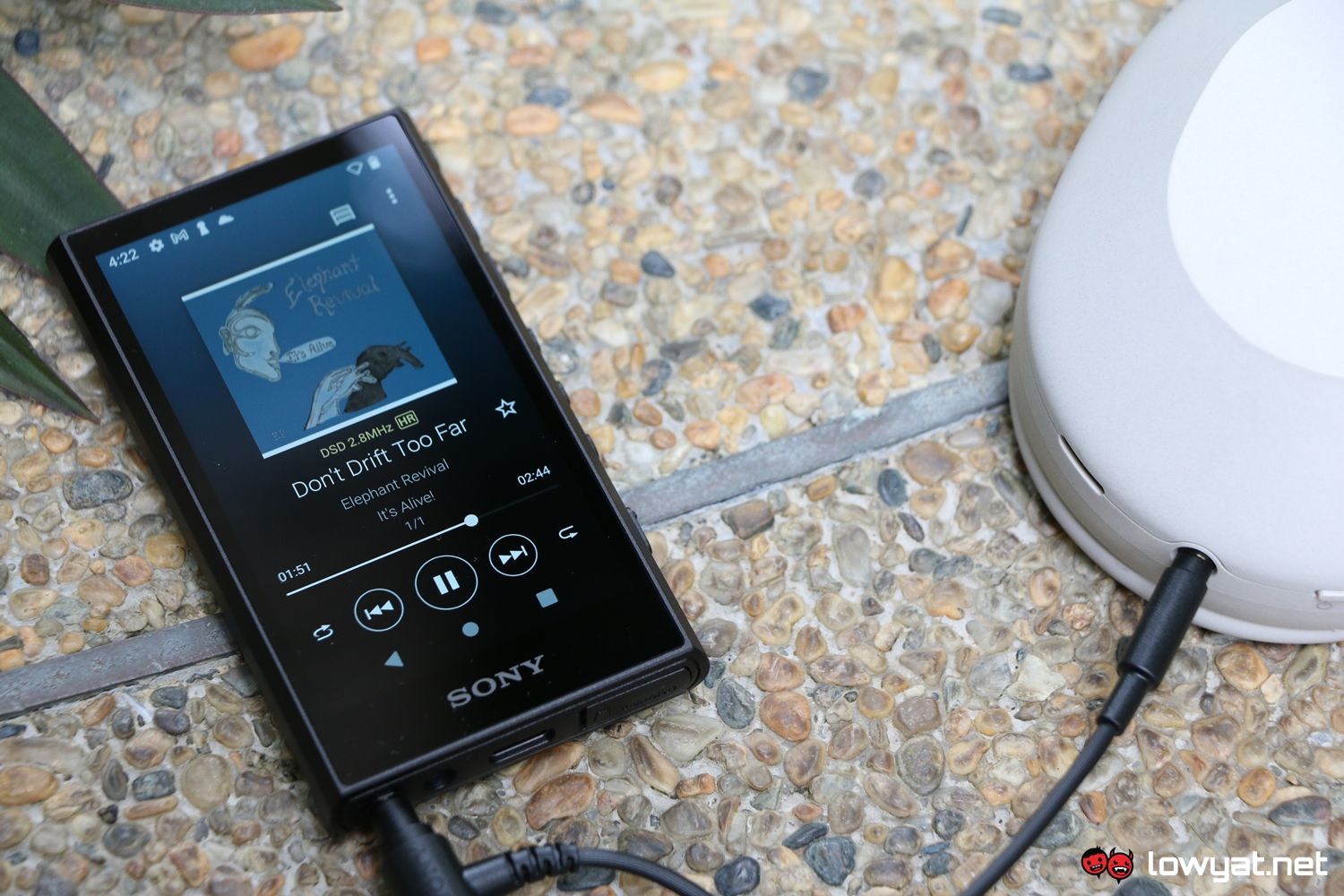
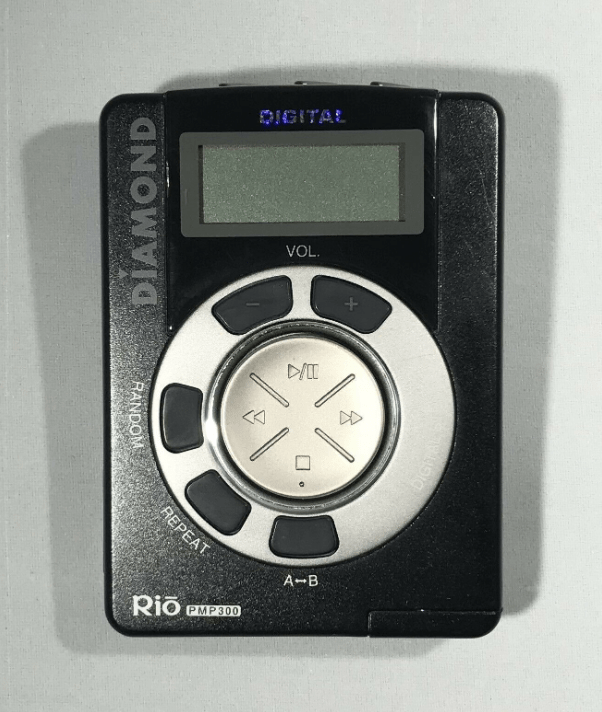
The technology surrounding compressed audio quickly gave rise to a new class of portable devices: early MP3 players. Unlike portable CD players, which required users to carry multiple discs and were prone to skipping when jostled, these digital players stored music directly in internal memory or on small flash cards. Early models in the late 1990s could hold only a handful of songs due to limited storage, but the appeal was undeniable—no moving parts, no discs to swap, and instant access to digitally organized tracks. As storage capacities improved and file compression became more efficient, these devices grew more capable and more popular. The introduction of USB connectivity also made transferring music from computer to device fast and intuitive, bringing digital music out of the realm of tech enthusiasts and into everyday life.
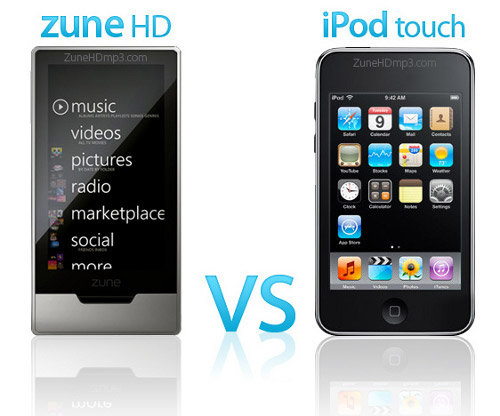
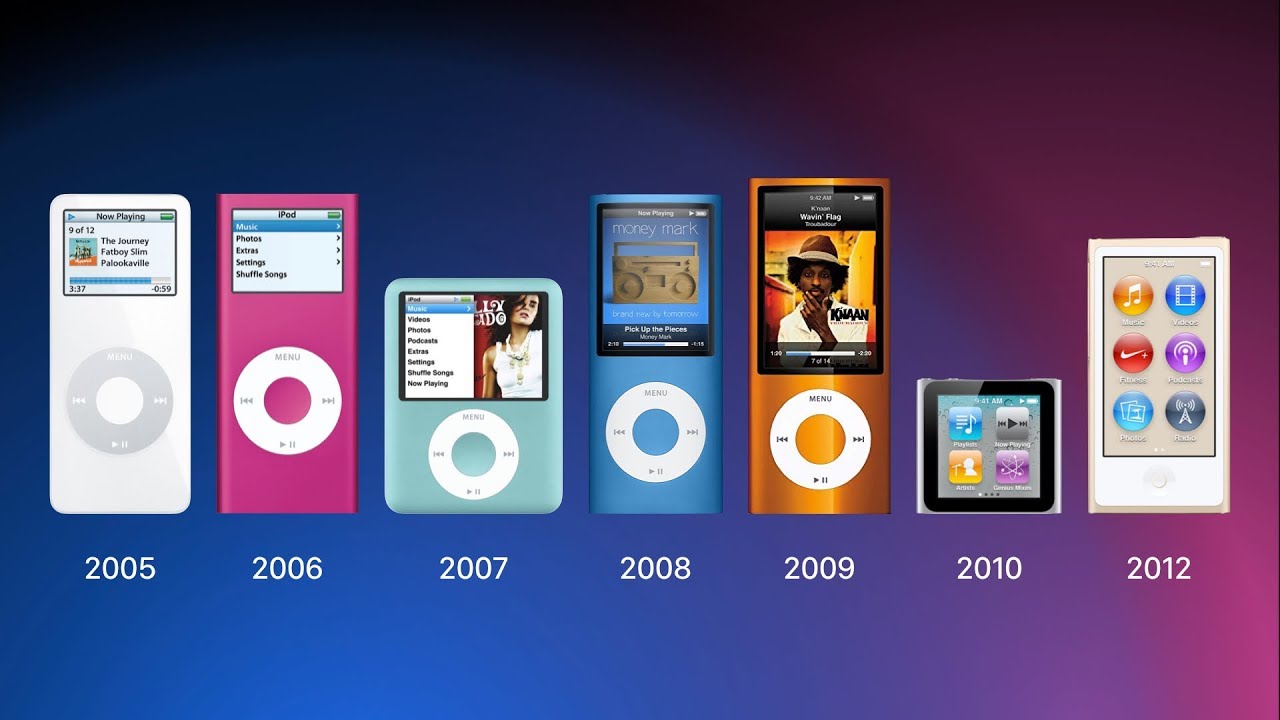
This transition reached a major turning point in 2001 with the release of the Apple iPod. While not the first MP3 player, the iPod refined digital music portability in a way that earlier devices could not match. Its elegant design, simple interface, and massive storage—capable of holding thousands of songs—made it an icon almost instantly. The iPod’s scroll wheel interface allowed users to navigate large libraries effortlessly, while the companion software, iTunes, streamlined the process of managing digital collections. Together, they created an ecosystem centered entirely on digital music, signaling that the era of physical media was beginning to wane. The combination of compressed audio, portable storage, and computer-based organization laid the groundwork for the streaming revolution that would soon follow, forever reshaping the way people accessed and experienced music.