 The Evolution of Music Technology
From the 1960s - Present
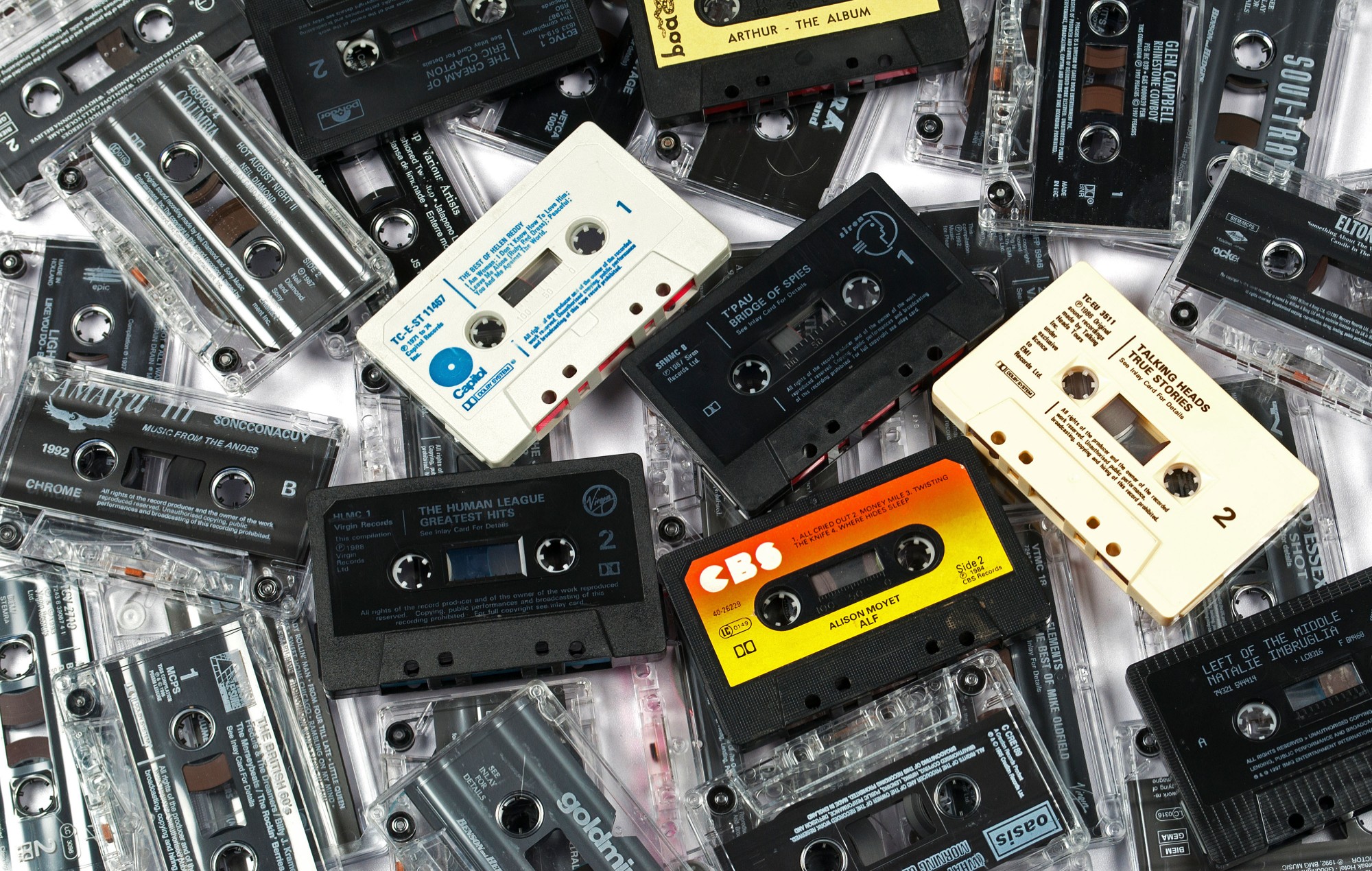
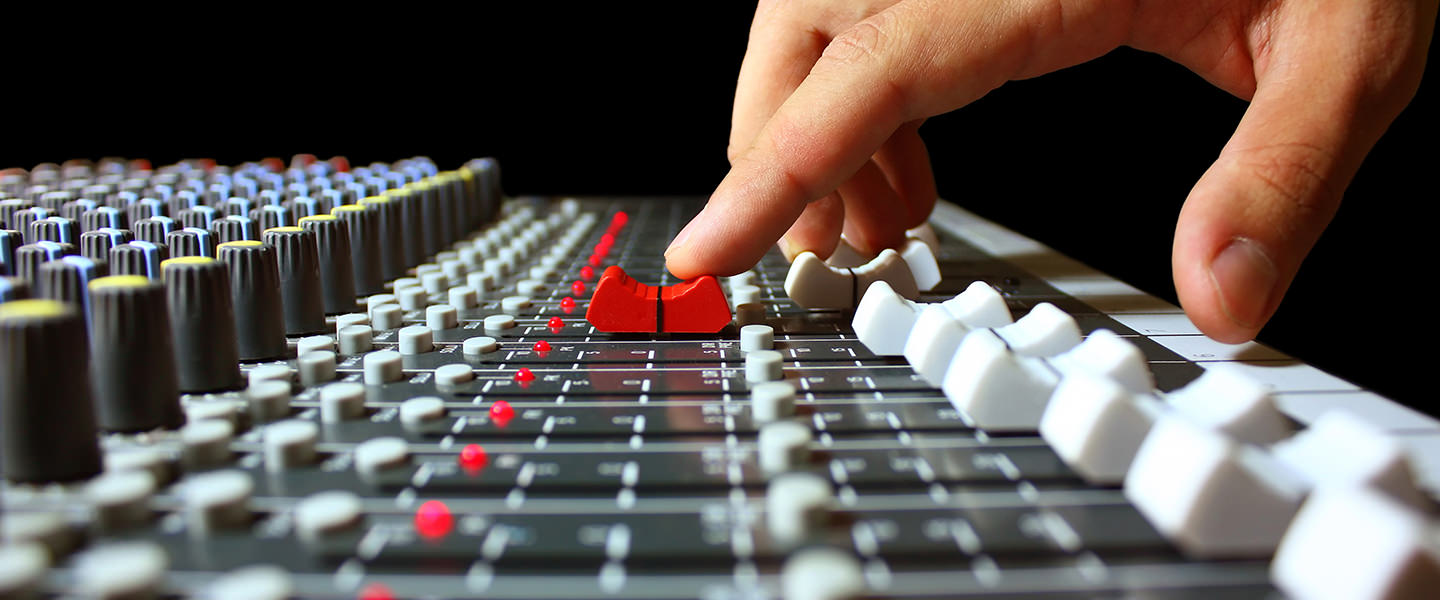
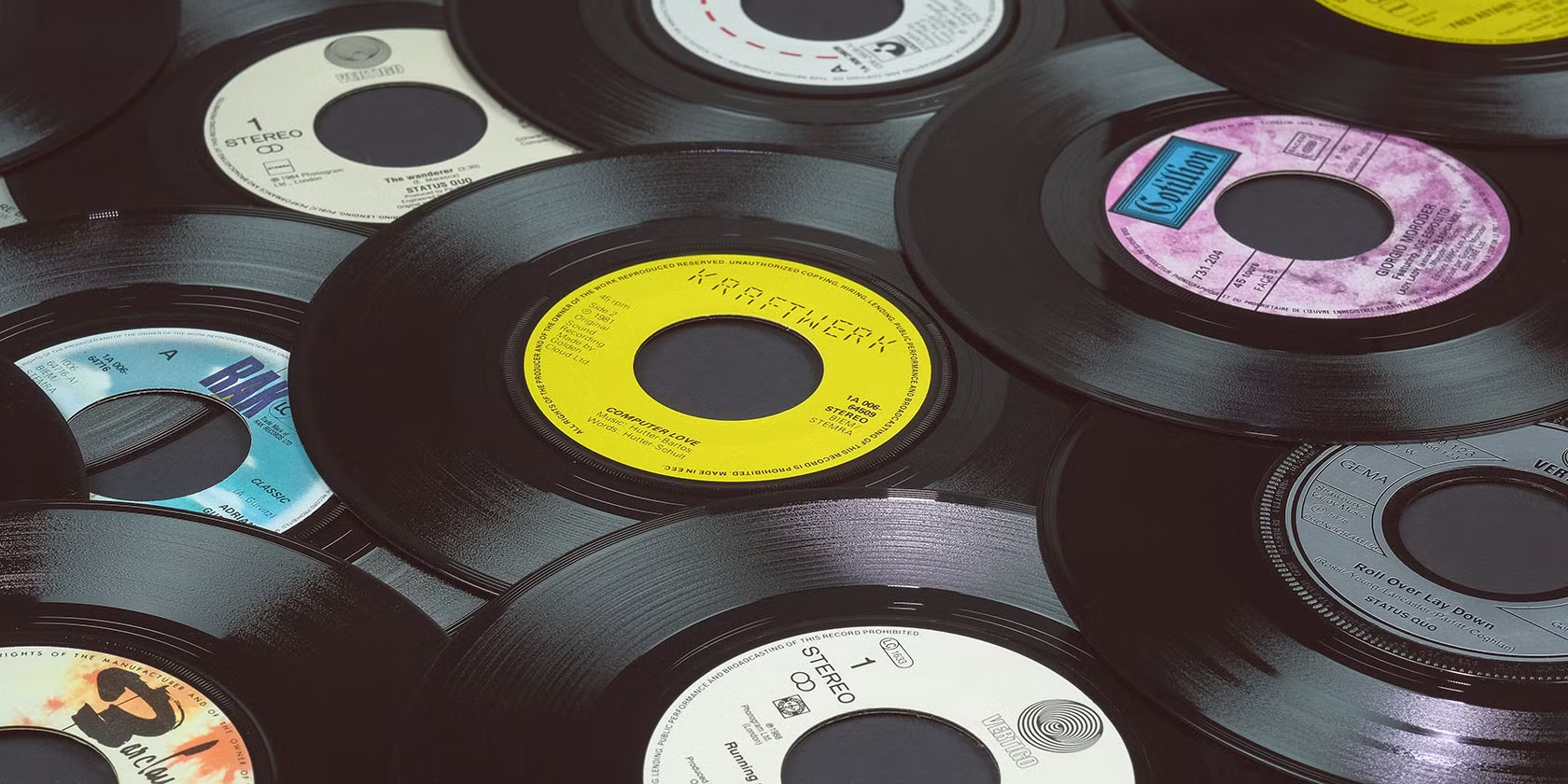
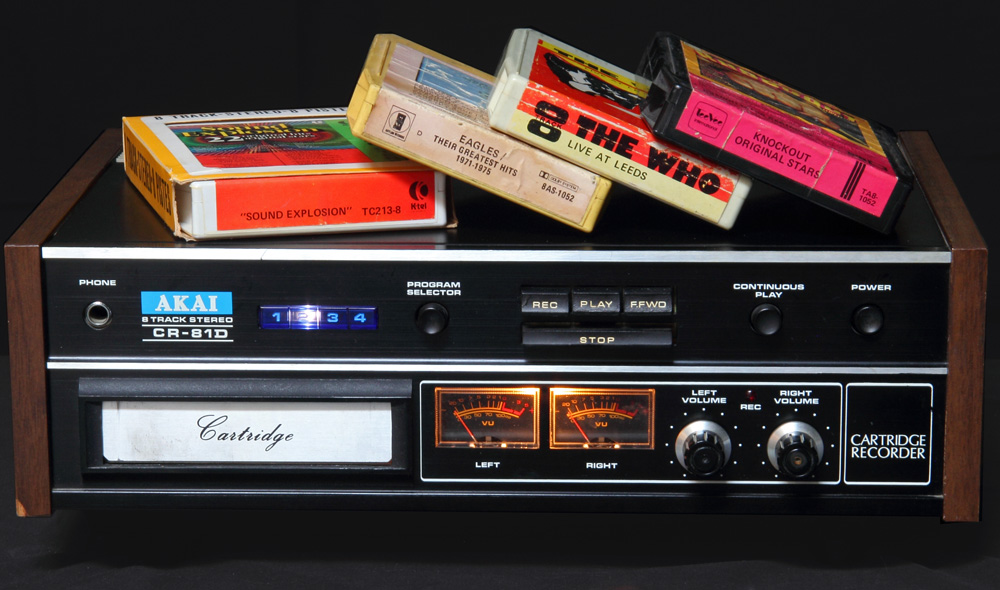
The evolution of music technology from the analog era to modern streaming is a story of increasing accessibility, fidelity, and flexibility. In the late 19th and early 20th centuries, music reproduction began with fully mechanical devices like Edison’s phonograph and later the gramophone. These innovations transformed sound waves into physical grooves, allowing people to hear performances long after they were played. Over time, vinyl records emerged as the dominant analog format, prized for their warm sound and ability to hold full-length albums. Alongside vinyl, magnetic tape became a powerful tool for both consumers and studio professionals. Tape’s recordability made home recording possible, and multitrack machines introduced in the mid-20th century allowed artists to layer performances in ways that were previously unimaginable.
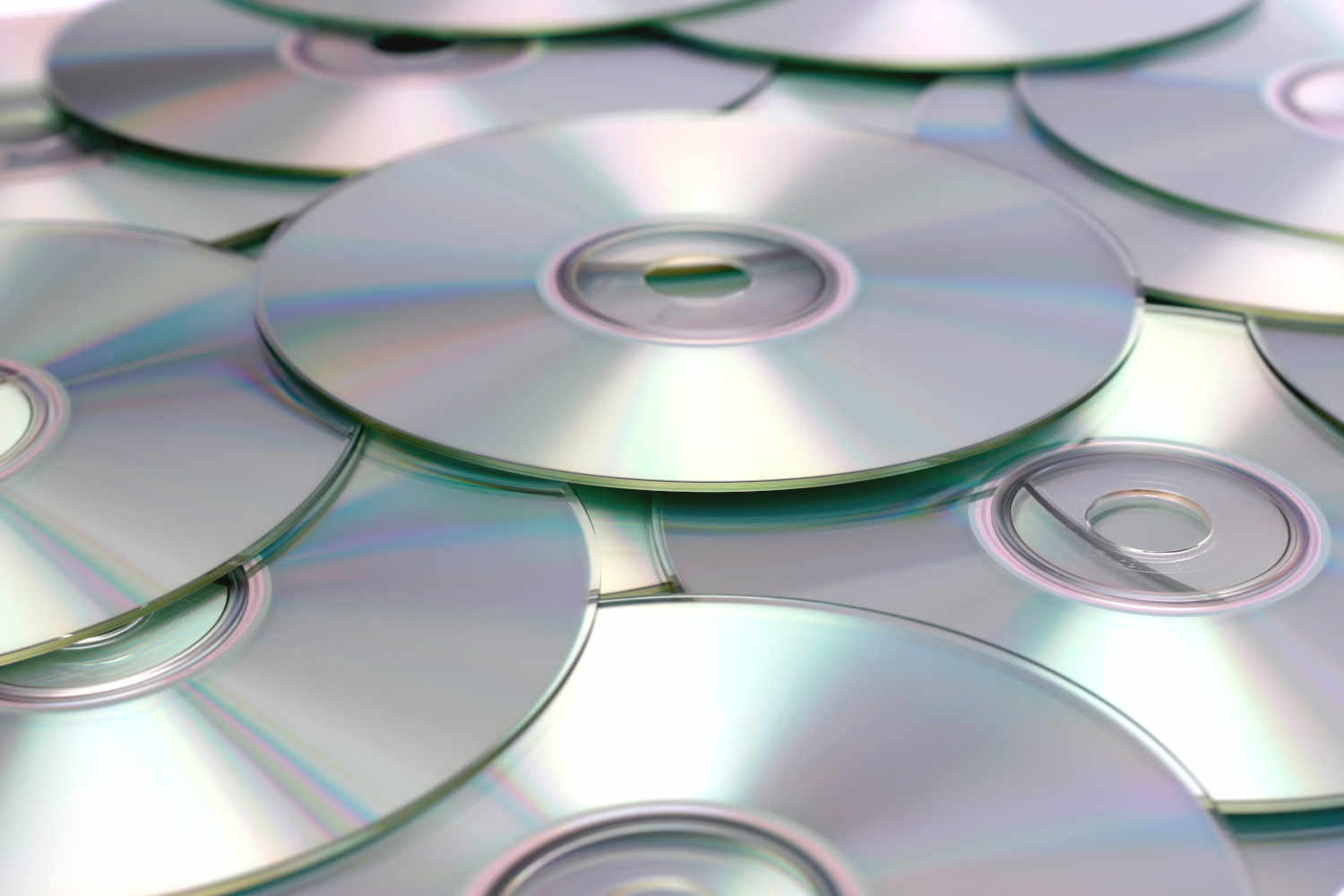
In the 1970s and 1980s, the transition to digital audio began to reshape the entire industry. Compact Discs brought clear, clean audio with less noise and greater durability than analog records. At the same time, the introduction of MIDI in 1983 created a universal language for synthesizers, drum machines, and computers, sparking an explosion in electronic music and affordable home production. As personal computers grew more capable, digital audio workstations such as Pro Tools, Logic, and Cubase made advanced editing and mixing available to a much wider range of creators. By the late 1990s, compressed audio formats like MP3 revolutionized distribution. File-sharing platforms, despite their legal controversies, revealed that listeners were eager for fast, digital access to music without physical media.
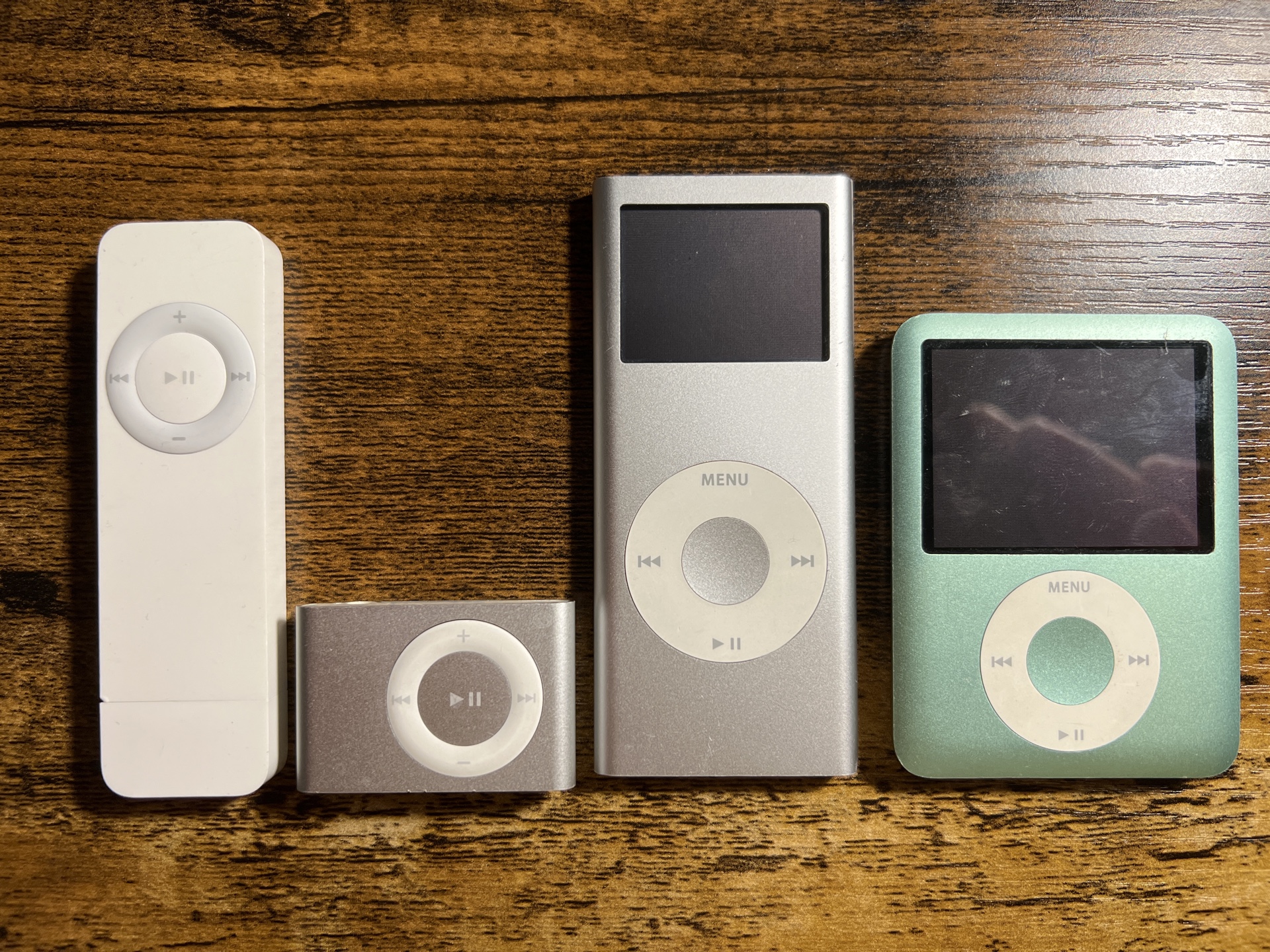
The 2000s brought a complete shift in how music was consumed. Apple’s iPod and iTunes ecosystem made it normal to carry thousands of songs digitally and purchase individual tracks instead of full albums. Soon after, streaming services began to redefine listening once again. Platforms like Spotify and Apple Music delivered instant access to millions of songs for a small subscription fee, replacing ownership with an always-available library. Algorithms started curating personalized playlists, influencing what listeners discovered and what artists created. At the same time, cloud-based production, remote collaboration, and AI-assisted tools began reshaping how music was made, lowering barriers to entry and speeding up creative workflows.
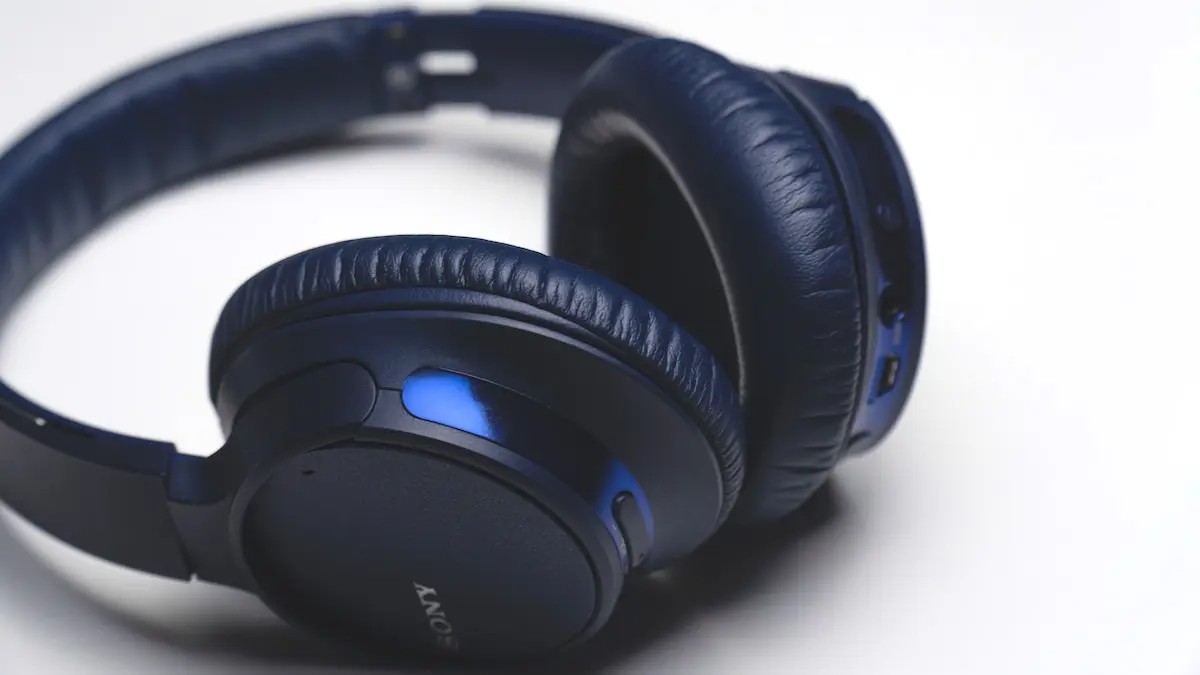
Today, music technology is defined by its ubiquity and interconnectedness. High-resolution streaming, spatial audio, virtual instruments, and AI-powered mixing and mastering tools are merging to offer an unprecedented level of sonic control. Artists can distribute music globally without a label, while fans can explore catalogs containing over a century’s worth of recordings. Emerging technologies—such as immersive AR/VR concerts, generative music systems, and increasingly powerful recommendation algorithms—suggest that the next phase of music evolution will focus on personalization and immersion. What began with vibrating needles carving grooves into wax has evolved into a fully digital, on-demand universe of sound available from anywhere in the world.