 The Evolution of Music Technology
Modern Streaming
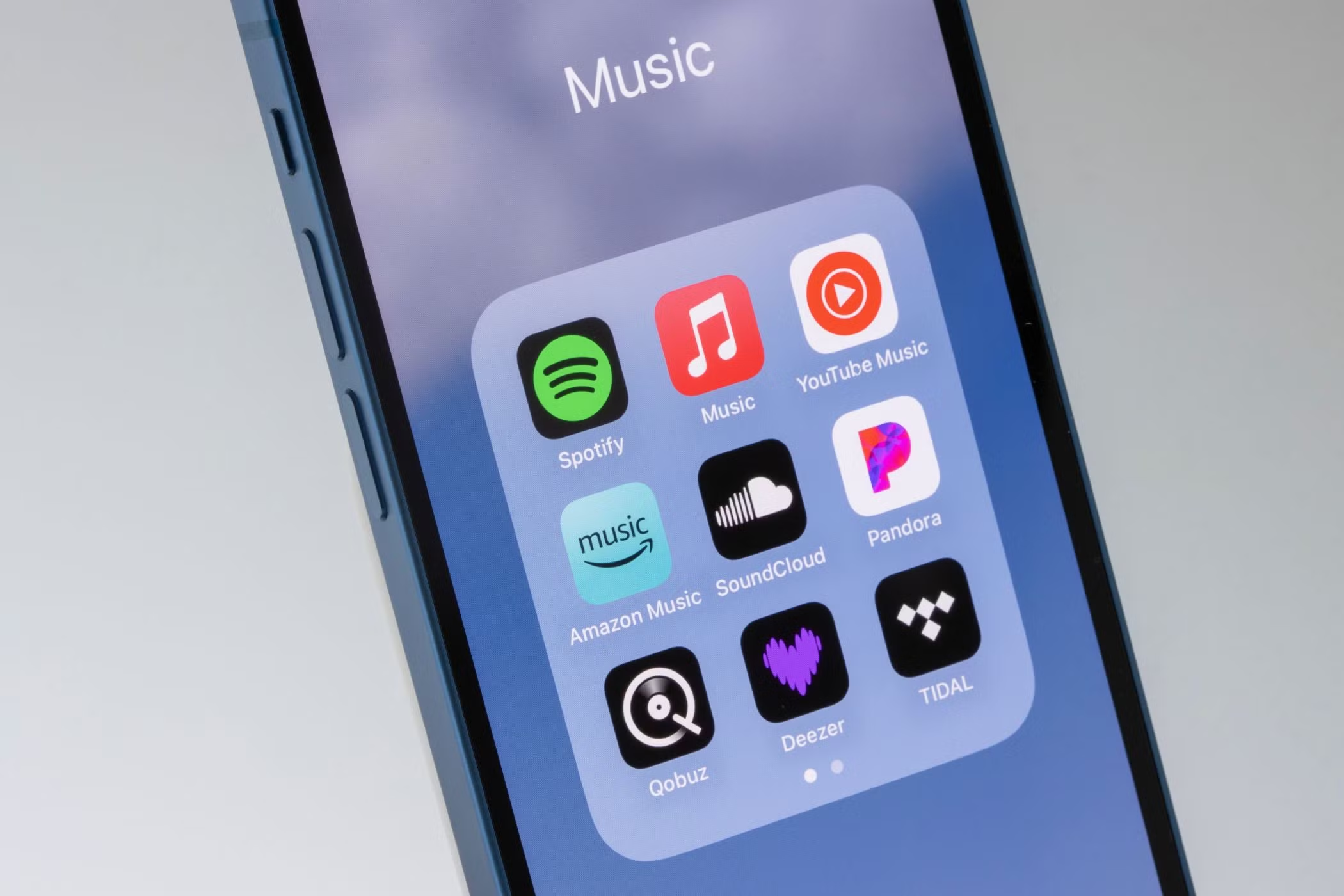
Modern music streaming has transformed the way people access and experience music, shifting the focus from owning physical or digital media to having instant, unlimited access to vast online libraries. Services such as Spotify, Apple Music, Amazon Music, and YouTube Music provide millions of songs at the tap of a screen, available anywhere with an internet connection. Instead of buying albums or downloading files, listeners now subscribe to platforms that function like enormous digital jukeboxes. This change has made music more accessible than ever before—songs can be played, paused, saved, or skipped instantly, and entire catalogs are available without any storage limits. For many listeners, streaming has become the default mode of listening, replacing CD collections, MP3 players, and downloaded libraries almost entirely.
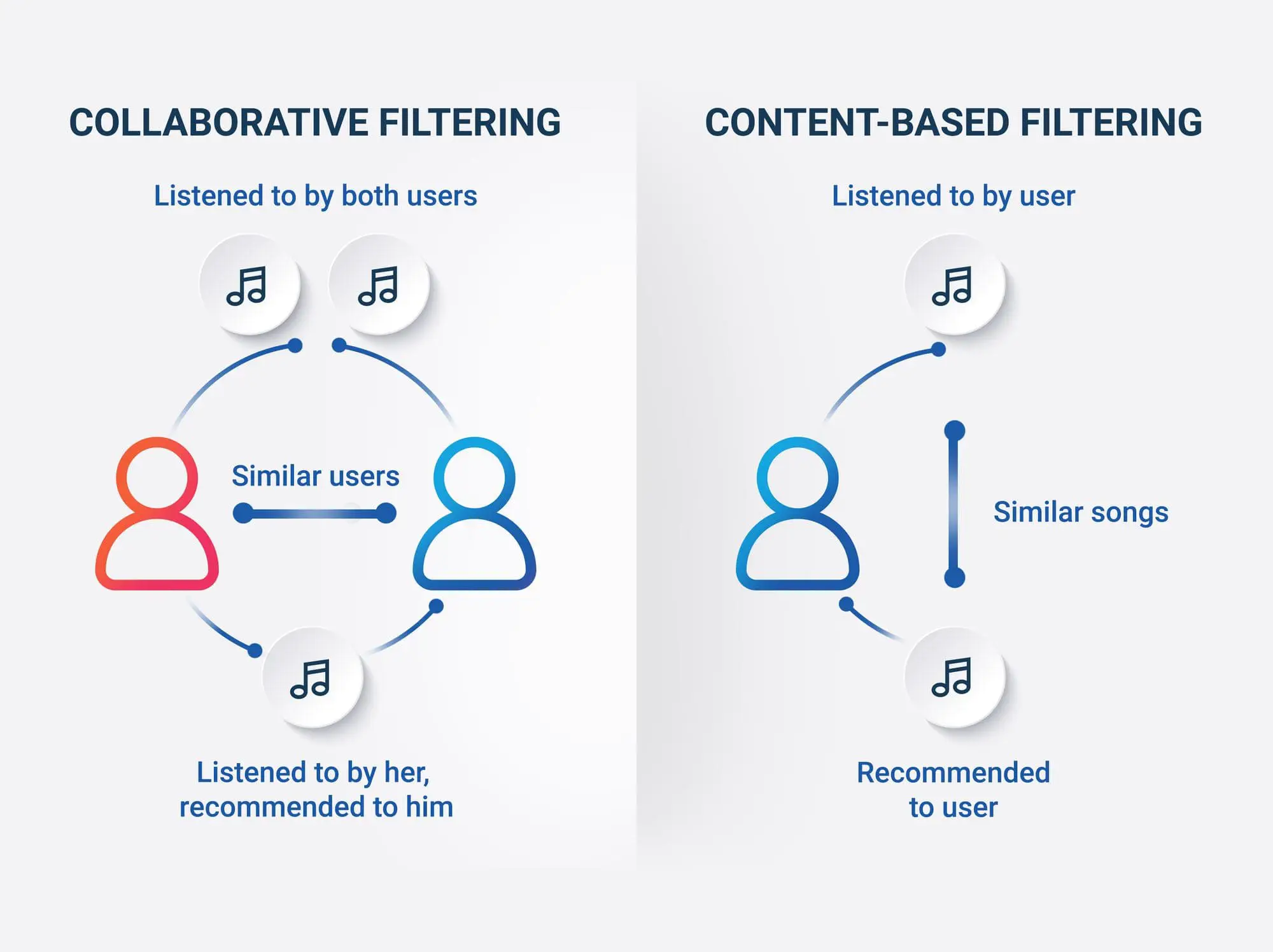
One of the defining characteristics of the streaming era is the role of algorithmic personalization. Streaming platforms use data—listening habits, skipped tracks, liked songs, and even time of day—to shape custom playlists and recommendations for each user. Features like Spotify’s Discover Weekly or Apple Music’s personalized mixes introduce listeners to new artists and genres in ways that feel tailored to their tastes. This has changed the way people discover music: instead of relying solely on radio, word-of-mouth, or browsing physical stores, listeners now receive curated streams that update automatically. As a result, music consumption has become more individualized, with every listener effectively receiving a unique soundtrack shaped by their habits and preferences.
Streaming has also reshaped how artists release and promote their work. With the rise of playlist culture, many musicians now focus on singles rather than full albums, aiming to land on popular curated playlists that can dramatically increase their visibility. Shorter tracks, frequent releases, and genre-blending styles have become common as artists adapt to the way streaming algorithms reward repeat play and listener engagement. At the same time, social media platforms—especially TikTok—have become powerful tools for launching songs into viral success, often driving tracks to chart long before they appear on an official album. Streaming has flattened traditional industry structures, giving independent artists more opportunities to reach global audiences without needing major-label backing.
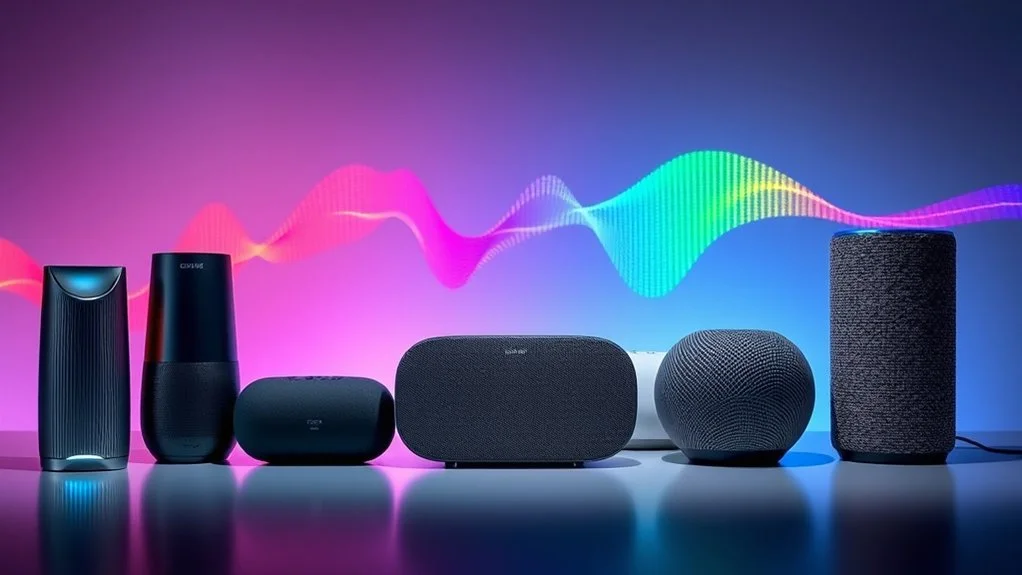
Another major shift brought on by modern streaming is the rise of cross-device listening ecosystems. People no longer rely on a single dedicated music player; instead, streaming follows them across smartphones, tablets, computers, smart speakers, smart TVs, and even cars. Voice assistants like Alexa and Google Assistant allow users to play music through simple commands, making hands-free listening part of everyday life. High-quality Bluetooth speakers and noise-canceling headphones have also elevated the listening experience, helping streaming feel more personal and immersive. The portability and flexibility of streaming mirrors what MP3 players introduced, but expands it far beyond what a single device could do.
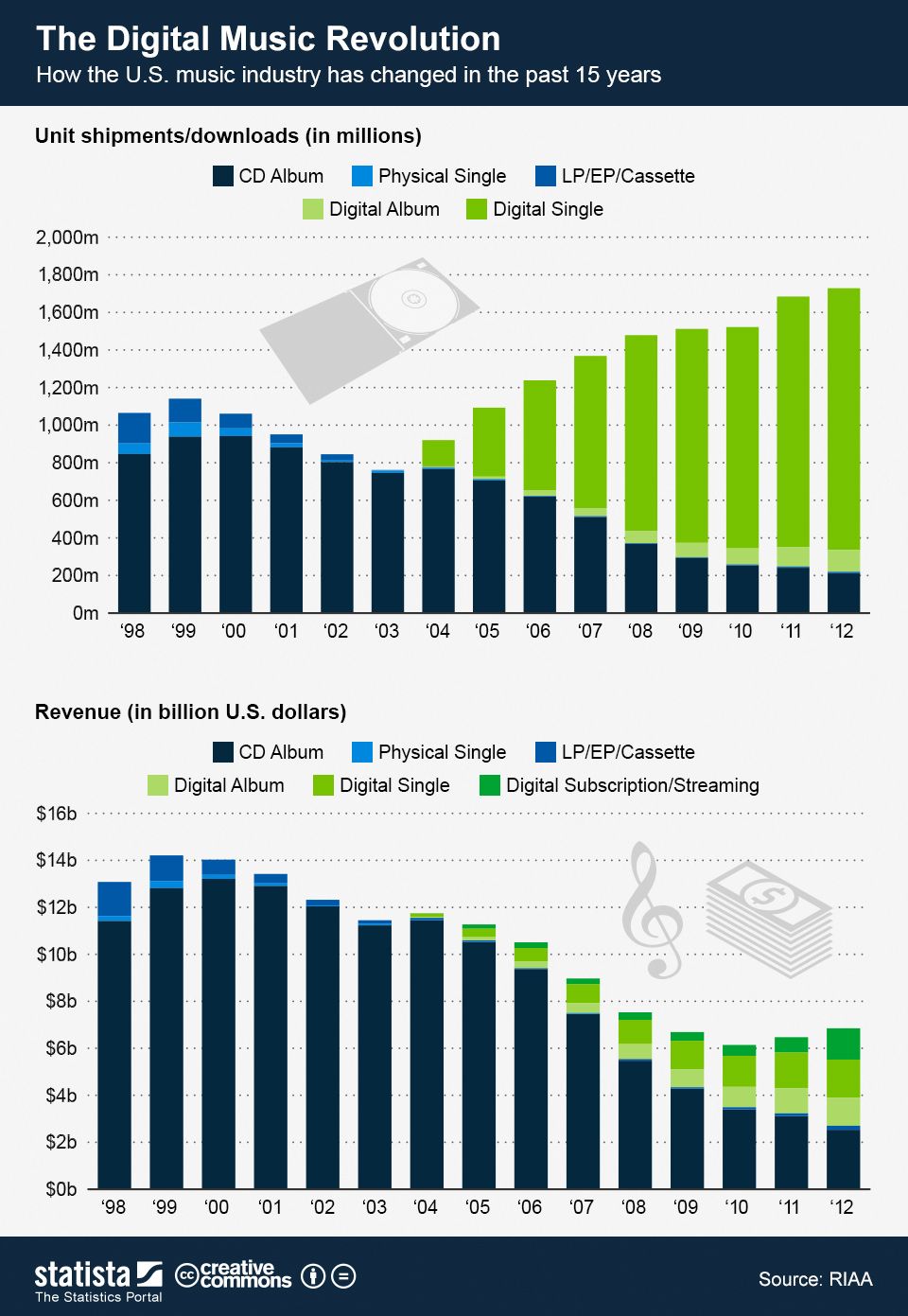
Finally, modern streaming has altered the economics of the music industry. While it has created new revenue streams and revived overall music consumption, it has also raised debates about artist compensation, royalty rates, and the true value of a song in a platform-driven market. Despite these challenges, streaming remains the dominant form of music consumption worldwide, shaping how music is created, shared, and experienced. In many ways, it represents the culmination of decades of technological evolution—from vinyl to tapes, from CDs to digital files—fulfilling the long pursuit of making music available anytime, anywhere, and instantly.