 The Evolution of Music Technology
Music Production Tools
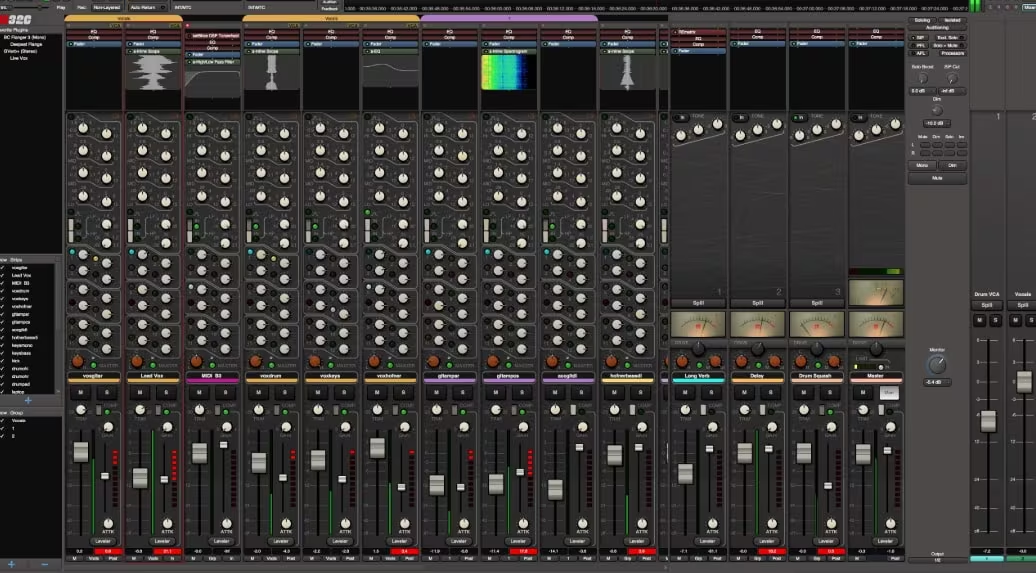
Digital Audio Workstations (DAWs) have become the central hub of modern music production. Software like FL Studio, Logic Pro, Ableton Live, and Pro Tools allow producers to record, edit, mix, and master entire tracks inside a computer. What once required expensive hardware and large studio spaces can now be done within a single program running on a laptop. DAWs offer infinite tracks, powerful editing tools, built-in effects, virtual instruments, and automation features that give artists full control over every detail of their sound. Whether producing electronic beats, recording vocals, or mixing live instruments, the DAW is the brain of the modern studio, making professional-quality music creation accessible to anyone.
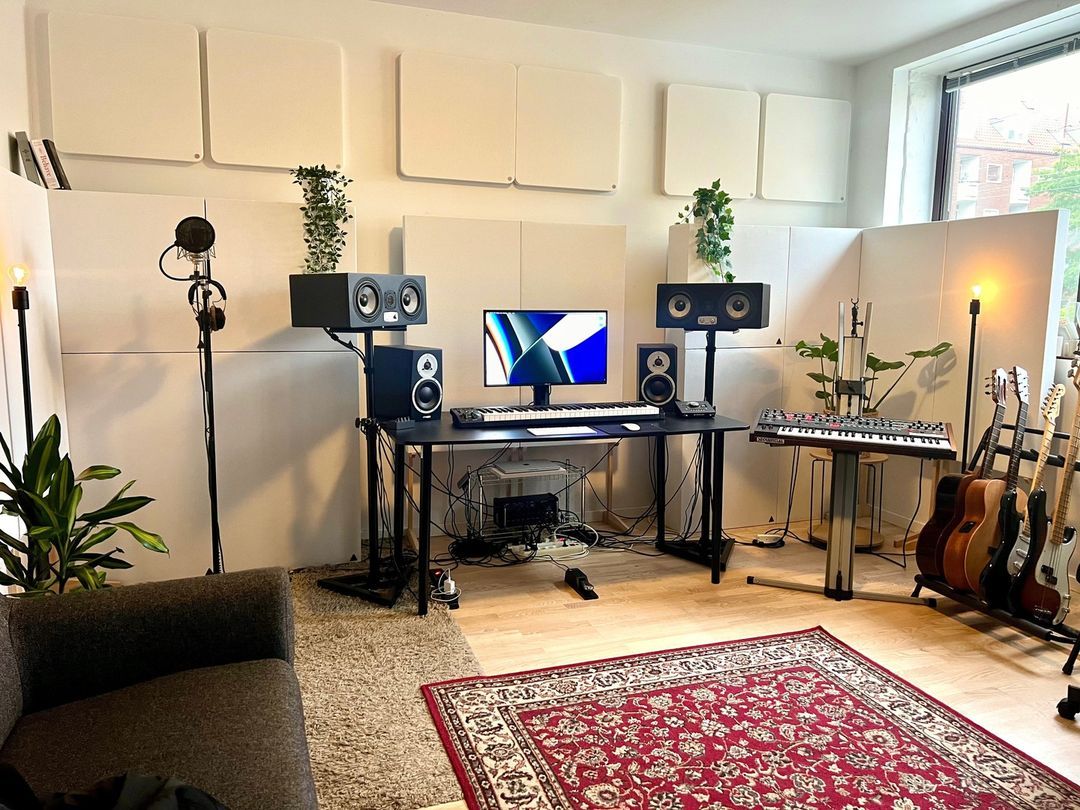
A home recording studio setup is now more common than ever before thanks to affordable equipment and user-friendly software. These setups often include a computer, studio monitors, a microphone, a MIDI keyboard, and an audio interface, all arranged in a dedicated creative space. Even small bedroom studios can produce radio-quality music, thanks to advances in digital processing and acoustics. Home studios give musicians the flexibility to experiment at their own pace, collaborate online, and release music without relying on large commercial studios. The home studio revolution has played a major role in the rise of independent artists, YouTube creators, podcasters, and self-produced musicians.
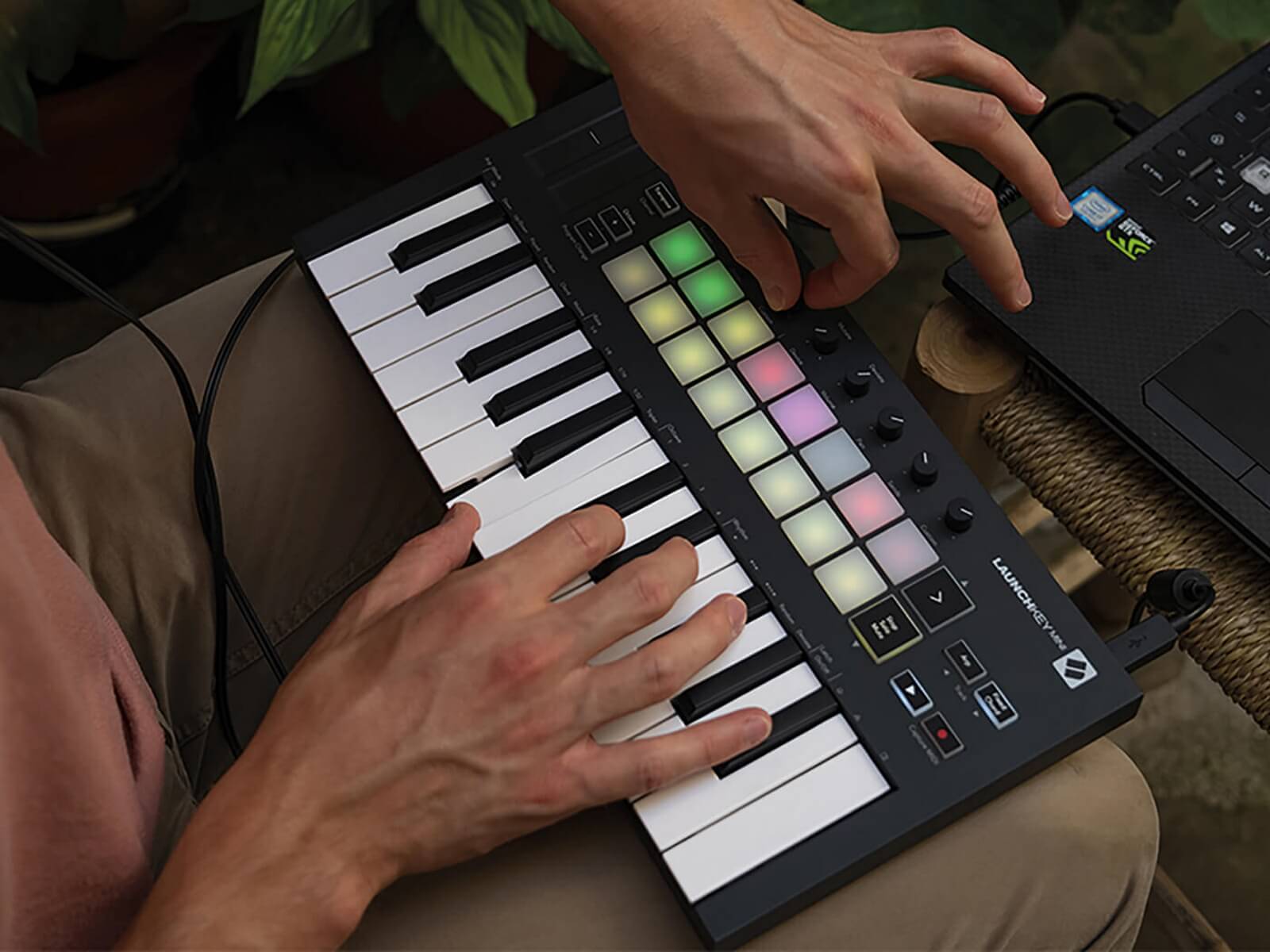
The MIDI keyboard controller is one of the most versatile tools in modern production. Unlike a traditional piano, a MIDI keyboard doesn’t produce sound on its own—instead, it sends digital signals to a DAW, triggering virtual instruments such as pianos, synthesizers, strings, drums, or anything else the producer chooses. This allows musicians to compose complex arrangements with just a few keystrokes. MIDI keyboards often come with knobs, pads, and sliders that can be assigned to control different parts of a project, giving artists hands-on control over their music. This flexibility makes them essential for beat-making, electronic music, film scoring, and virtually every genre created today.
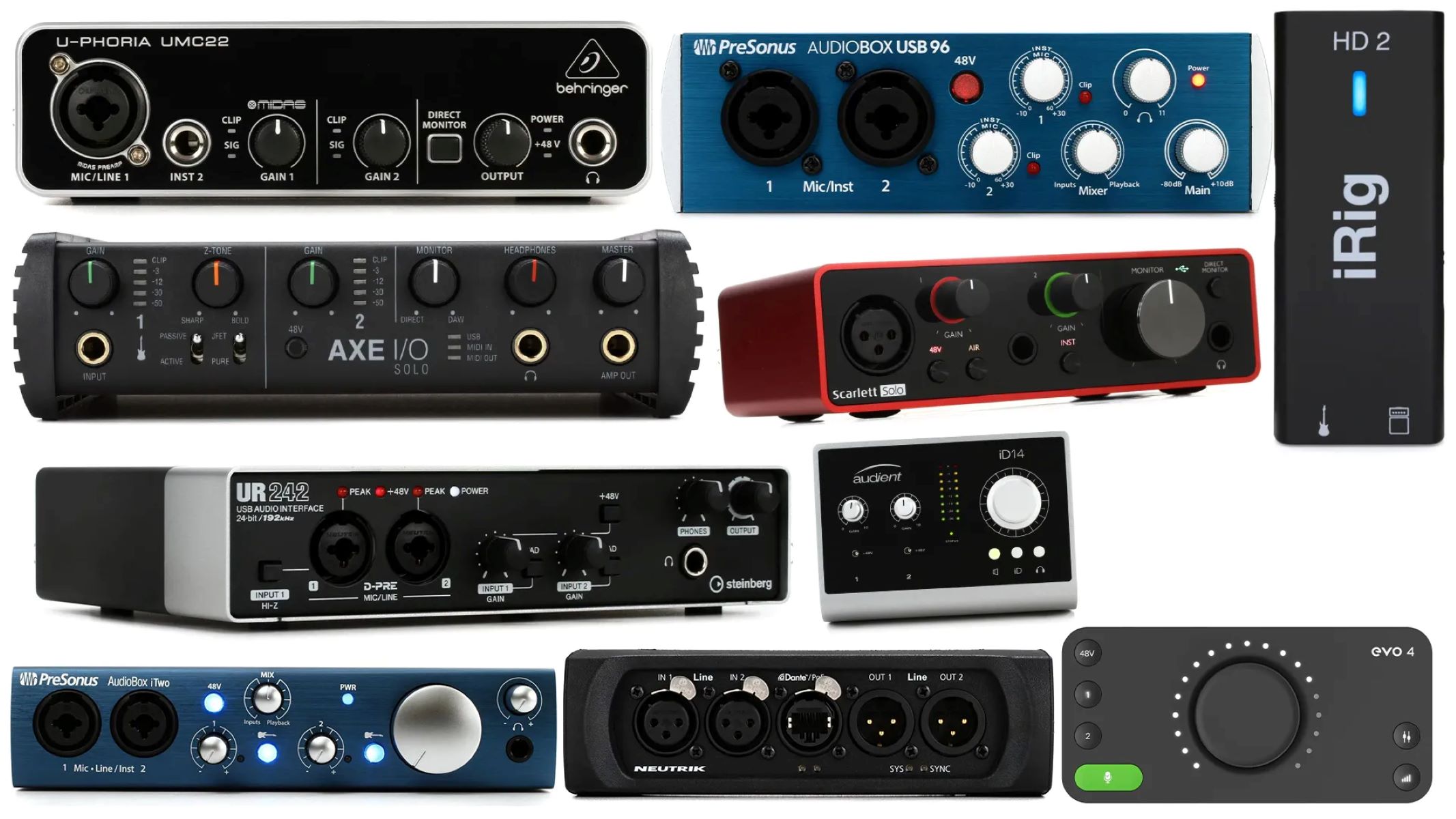
The audio interface acts as the bridge between the analog and digital worlds. When a musician records vocals or instruments, the audio interface converts the analog signal from a microphone or guitar into a high-quality digital signal that the computer can process. Interfaces also provide cleaner sound output to headphones and studio monitors, ensuring accurate playback during mixing. Devices from brands like Focusrite, Universal Audio, and Presonus are widely used because they deliver low noise, low latency, and professional-grade sound capture. Without an audio interface, modern recording wouldn’t be nearly as clear, efficient, or scalable.
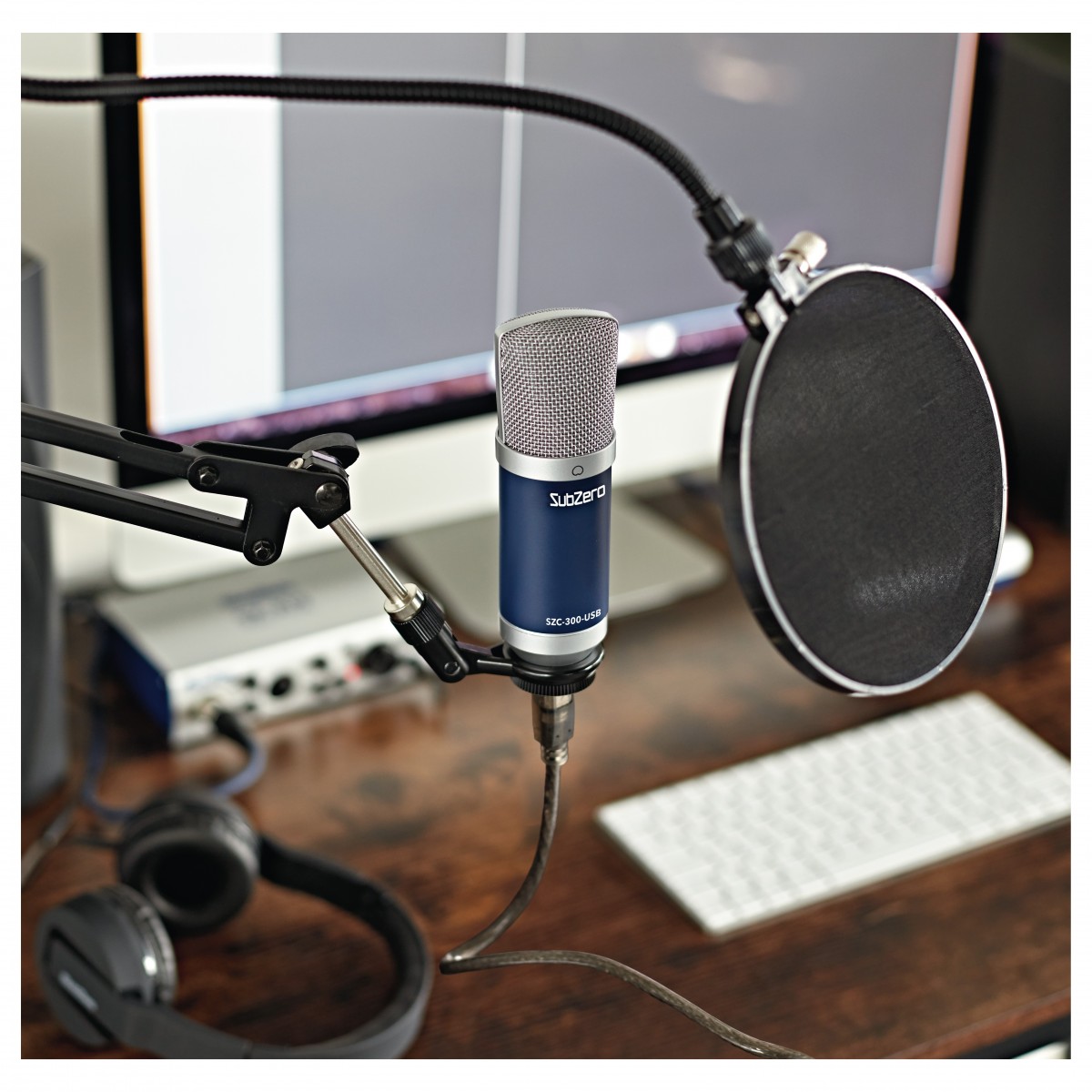
A studio condenser microphone is crucial for capturing detailed, professional vocal and instrumental recordings. Condenser mics are highly sensitive and capable of picking up subtle nuances that dynamic microphones may miss. This makes them ideal for studio environments where clarity and accuracy are essential. Whether recording singers, acoustic instruments, voiceovers, or podcasts, condenser microphones help preserve the natural tone and emotion of the performer. Their ability to reproduce a wide frequency range with precision has made them a staple in nearly every recording studio, from bedroom setups to high-end commercial spaces.
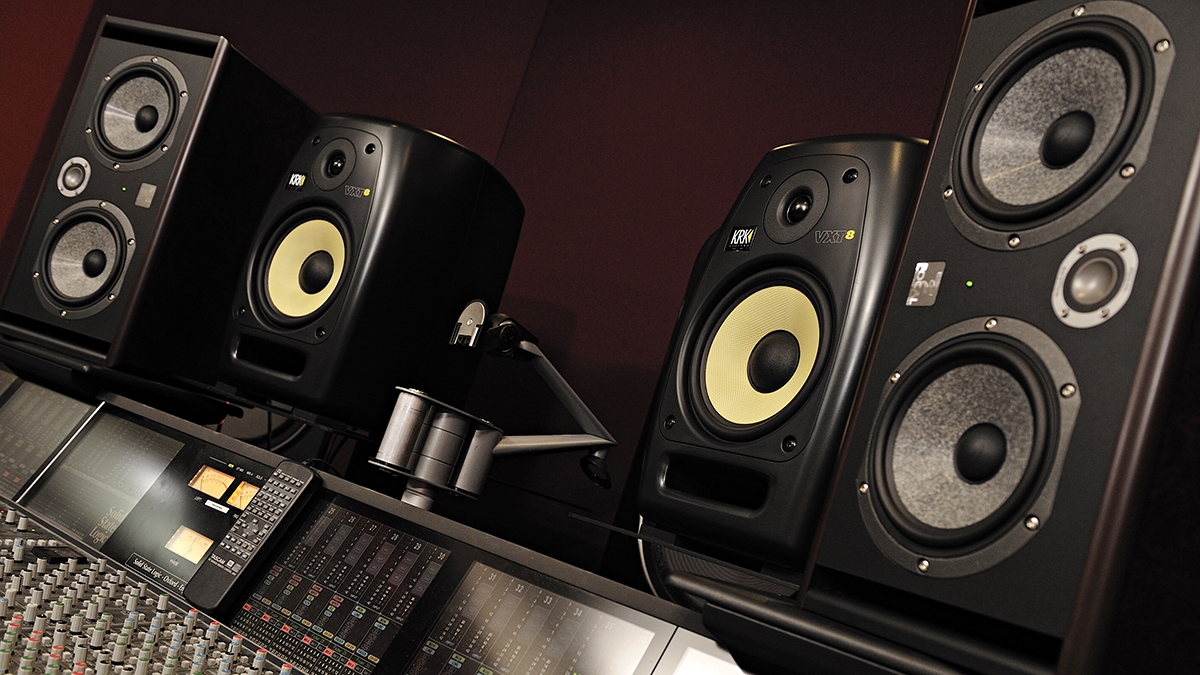
Finally, studio monitor speakers are designed to deliver a flat, accurate sound, allowing producers to hear their music exactly as it is—without the boosted bass or artificial enhancements common in consumer speakers. Brands like Yamaha, KRK, and JBL are popular choices for producers who need reliable reference speakers for mixing and mastering. Studio monitors reveal details in a track that ordinary speakers might hide, helping producers make better decisions about levels, equalization, effects, and overall balance. They play a crucial role in shaping the final sound of any project, ensuring that the music translates well across headphones, car stereos, and streaming platforms.